
Zelensky’s visit: The Ukrainian leader went to London to discuss strategies and strengthen military partnerships
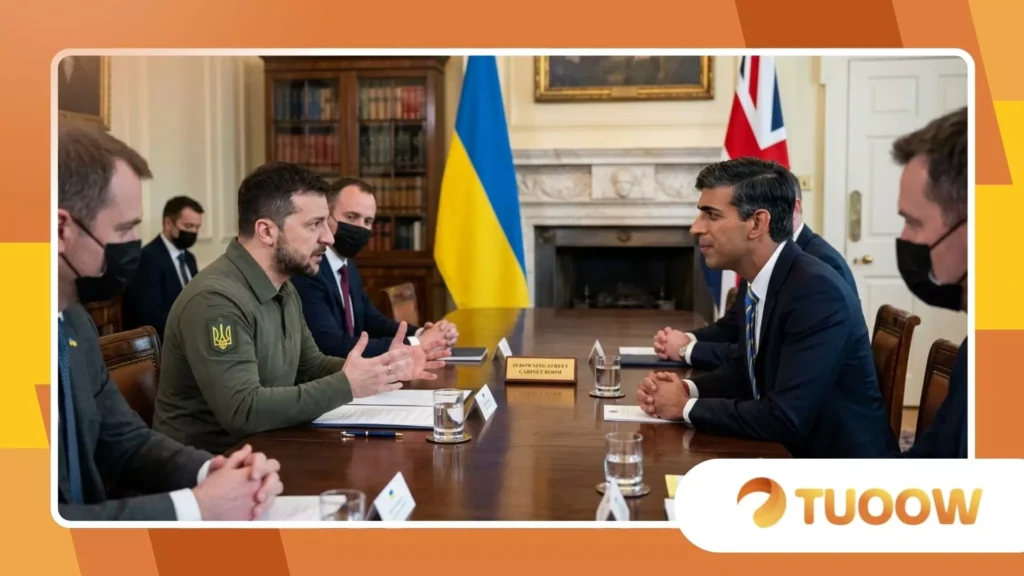
The diplomatic landscape across Europe has undergone a profound shift, marked by high-stakes bilateral negotiations and long-term security pledges.
A defining moment in this ongoing strategic alignment occurred during Zelensky’s visit to London, where the Ukrainian leader met with British political and military leaders to solidify defence partnerships.
This high-level summit underscored the UK’s pivotal role in supporting Ukraine’s operational capabilities while shaping European security infrastructure.
Beyond symbolic solidarity, high-level diplomatic engagements of this scale serve a clear operational purpose.
They allow military commanders, policymakers, and heads of state to align geopolitical strategy with practical logistics on the ground.
During these deliberations, discussions focused on long-term defence procurement, advanced troop training frameworks, and joint technology initiatives aimed at bolstering front-line resilience.
Understanding the full scope of this diplomatic push requires a closer look at the key operational themes and strategic agreements established during the summit.
What This Article Covers
- Strategic Aims and High-Level Objectives: The core priorities driving bilateral discussions in London.
- Military Assistance and Capability Enhancements: An in-depth breakdown of air defence, artillery, and maritime commitments.
- Long-Term Defence Industrial Strategy: Joint manufacturing initiatives and technology transfers between defence sectors.
- Geopolitical and Diplomatic Implications: How UK support influences broader European security dynamics and NATO integration.
- Operational Overview Table: Key bilateral defence commitments and strategic focus areas at a glance.
- Concluding Reflections: A comprehensive summary of the visit’s lasting impact on international security.
- Frequently Asked Questions: Clear answers to common queries regarding military logistics and bilateral agreements.
Strategic Aims and Bilateral Priorities in London
When President Volodymyr Zelensky arrived in the UK capital, the immediate objective was to transition from urgent wartime assistance toward a structured, multi-year defence alignment.
High-level discussions at Downing Street and the Ministry of Defence centered on addressing critical operational vulnerabilities while establishing a sustainable framework for military supplies.
The strategic dialogue demonstrated a mutual recognition that modern conflict demands sustained logistics, predictable supply lines, and continuous technical innovation.
The diplomatic agenda prioritized three key areas: expanding air defence capabilities, securing long-range precision strike assets, and reinforcing naval security in the Black Sea corridor. Official operational updates from GOV.UK
highlight that the UK’s commitment extends beyond immediate equipment transfers to encompass comprehensive support packages, including joint intelligence sharing and advanced strategic planning.
To maintain operational efficacy on the battlefield, military strategists must balance short-term supply requirements with long-term infrastructure development.
During Zelensky’s visit, British defence officials emphasized that future military packages would be integrated directly into Ukraine’s broader defence modernization strategy.
This approach guarantees that newly supplied hardware is matched by comprehensive technical training and robust maintenance frameworks.
An essential component of these discussions involved aligning operational priorities with international law and bilateral agreements.
Under guidelines established by the Ministry of Defence, technical transfers and training operations adhere strictly to international standards, ensuring transparency and accountability across supply chains.
This rigorous framework instils confidence among international partners while establishing a clear model for sustained military collaboration.
++ UK and Iran Relations: Ed Miliband Issues Warning Over Hostile Activity on British Soil
Military Assistance and Front-Line Capabilities
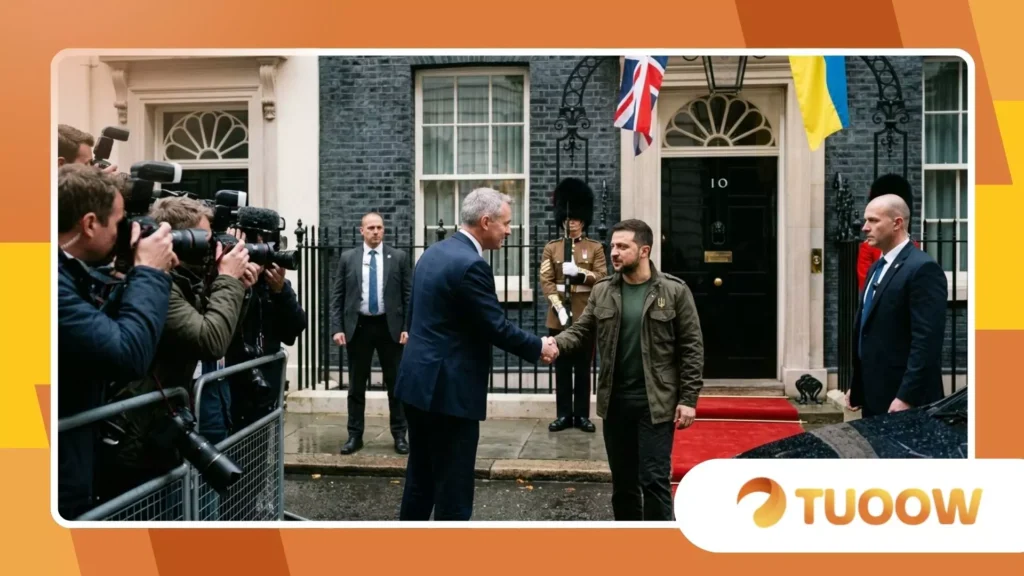
The operational core of the London talks centered on enhancing specific combat capabilities to address evolving battlefield conditions.
Discussions focused heavily on air defence infrastructure, which remains vital for protecting civilian populations and critical energy infrastructure from prolonged aerial bombardment.
British officials confirmed plans to accelerate the delivery of short-range and medium-range surface-to-air missile platforms.
In addition to air defence, discussions highlighted the critical role of precision-guided munitions and long-range strike options.
The deployment of advanced missile systems has significantly altered tactical planning, allowing Ukrainian commanders to disrupt supply lines and target high-value assets deep behind front lines.
Securing a steady supply of these precision munitions was a top operational priority throughout the summit.
Land domain capabilities were similarly prioritized, with an emphasis on armoured combat vehicles, tactical engineering units, and heavy artillery ammunition.
A persistent challenge in modern warfare is maintaining operational readiness across diverse equipment fleets.
To resolve this, British logistics specialists outlined plans to establish forward repair depots and streamlined spare parts supply networks within neighbouring European partner nations.
Maritime security formed the third pillar of the bilateral military discussions. Protecting commercial shipping lanes and securing maritime trade routes in the Black Sea requires specialized naval capabilities.
The UK confirmed ongoing support through the provision of uncrewed surface vehicles, mine countermeasure vessels, and specialized maritime reconnaissance training designed to safeguard strategic sea lanes.
Industrial Collaboration and Technology Transfer
A key outcome of the summit was the shift toward direct industrial cooperation between British and Ukrainian defence manufacturers.
Rather than relying entirely on equipment transfers from existing military stocks, future support will increasingly feature joint ventures, co-production lines, and targeted technology sharing initiatives.
This industrial shift ensures a more resilient supply chain capable of sustaining long-term operational demands.
By embedding UK defence contractors directly into joint manufacturing projects, both nations can accelerate repair cycles for damaged equipment and rapidly adapt commercial off-the-shelf technologies for military application.
The UK’s defence innovation ecosystem, supported by official initiatives detailed via GOV.UK
, offers vital resources for developing uncrewed aerial systems, electronic warfare countermeasures, and field-level logistics software.
Key areas of industrial collaboration agreed during the talks include:
- Localized Maintenance Networks: Establishing specialized facilities inside Ukraine to overhaul, repair, and service Western-supplied armoured vehicles and artillery platforms without long transport delays.
- Drone Warfare Innovation: Joint engineering efforts focused on developing drone technology resilient to electronic jamming and signal disruption on the battlefield.
- Ammunition Manufacturing Contracts: Establishing multi-year procurement contracts to expand the production of standard NATO-calibre artillery shells and mortar rounds.
- Cyber Security Resilience: Enhancing technical cooperation to secure military communications networks and defend critical digital infrastructure against cyber threats.
This industrial alignment provides significant economic and tactical advantages.
Localizing maintenance and assembly operations shortens supply chains, reduces logistical bottlenecks, and allows battlefield feedback to be rapidly integrated into hardware designs.
Furthermore, establishing multi-year procurement agreements offers defence contractors the commercial predictability required to expand production capacity.
The strategic relevance of Zelensky’s visit was further highlighted by discussions surrounding long-term funding mechanisms and export guarantees.
By utilizing UK Export Finance and international donor funds, both governments are building a durable financial structure capable of supporting defense procurement for years to come.
This multi-year funding approach reflects a deliberate strategy aimed at maintaining battlefield readiness regardless of short-term geopolitical shifts.
Also read: British Economy 2026: Are Families Finally Seeing Relief From Rising Prices?
Geopolitical Impact and NATO Integration
Beyond tactical supply agreements, the diplomatic engagements in London carried substantial geopolitical weight.
The summit reaffirmed the UK’s leadership role within European security structures, demonstrating a clear commitment to shaping long-term strategy alongside international allies.
By aligning bilateral support with broader NATO frameworks, the talks helped streamline military assistance across multiple donor nations.
A primary focus of the diplomatic dialogue was accelerating Ukraine’s transition toward full NATO technical interoperability.
Achieving this requires standardizing command structures, communications protocols, and tactical doctrine.
British military academies and training centers continue to play a leading role in this effort, having already trained tens of thousands of Ukrainian military personnel under specialized, multi-national training programs.
The political alignment achieved during the summit sends a strong message of long-term stability to international markets, regional allies, and adversary nations alike.
By committing to sustained military, technical, and financial support, the UK government has set a benchmark for international assistance.
This diplomatic momentum encourages other European partners to commit to multi-year defence packages, strengthening regional security along NATO’s eastern flank.
Legal and regulatory compliance remained a central topic throughout the political negotiations.
International humanitarian law, arms export controls, and parliamentary oversight mechanisms were explicitly integrated into all bilateral agreements.
This strict adherence to institutional standards ensures that military support operates within a clear legal framework, maintaining international trust and institutional integrity across all involved governments.
Read more: Why narrative DLCs are now premium experiences
Bilateral Defence Commitments and Strategic Focus
To provide a clear, high-level summary of the bilateral agreements, military capabilities, and long-term commitments established during the London summit, the following table details the key operational domains discussed by both delegations.
| Operational Domain | Strategic Focus Area | Key Commitments & Initiatives | Primary Objectives |
| Air Defence Systems | Protecting critical infrastructure and civilian areas. | Accelerated delivery of advanced air defence interceptors and radar systems. | Neutralize aerial threats and secure airspace over urban centers. |
| Long-Range Strike | Precision targeting of tactical and strategic military targets. | Sustained supply of precision-guided missiles and technical integration. | Disrupt enemy logistics, command posts, and rear-area supply nodes. |
| Maritime Security | Safeguard commercial sea lanes and Black Sea shipping routes. | Provision of uncrewed surface vessels and mine countermeasure assets. | Guarantee freedom of navigation and secure agricultural export corridors. |
| Defence Industry | Co-production, localized repair, and technology transfer. | Joint ventures for drone development and forward repair facilities. | Build a resilient defence industry and reduce maintenance delays. |
| Troop Training | NATO interoperability, tactical leadership, and specialized warfare. | Expansion of advanced military training programs across UK facilities. | Transform military doctrine and align operational tactics with NATO standards. |
This operational breakdown highlights the transition from short-term emergency aid to a structured, institutionalized military partnership.
By addressing immediate tactical needs alongside long-term industrial planning, the agreements signed in London establish a clear roadmap for sustained cooperation.
Summary of the London Summit and Future Outlook
The strategic outcomes of Zelensky’s visit to London mark a significant milestone in modern European diplomatic and military relations.
By shifting focus from temporary battlefield aid to sustained, multi-year strategic commitments, both nations have established a durable framework for military cooperation.
The emphasis placed on joint industrial production, technical innovation, and NATO integration guarantees that this alliance will continue to shape Eastern European security dynamics for years to come.
As military logistics and industrial partnerships expand, maintaining operational transparency and strategic focus will remain essential.
The agreements forged during this summit provide a clear template for how international partners can deliver structured, effective support while upholding rigorous legal and operational standards.
Ultimately, the London talks reinforced a shared commitment to regional stability, sovereign security, and long-term defence integration across Europe.
Frequently Asked Questions
What were the primary strategic objectives of the summit in London?
The visit focused on securing long-term military assistance, expanding air defence networks, establishing joint defence manufacturing ventures, and aligning Ukrainian military doctrines with NATO standards.
How does industrial co-production benefit front-line military operations?
Co-production allows equipment to be manufactured, maintained, and repaired locally or within nearby partner nations.
This significantly reduces repair backlogs, shortens supply lines, and enables rapid hardware modifications based on immediate battlefield feedback.
How do UK training programs contribute to broader regional security?
UK-led training initiatives equip military personnel with advanced tactical skills, command capabilities, and operational knowledge.
Standardizing these practices accelerates technical integration with NATO forces and enhances overall defensive readiness across Eastern Europe.
