
UK and Iran Relations: Ed Miliband Issues Warning Over Hostile Activity on British Soil
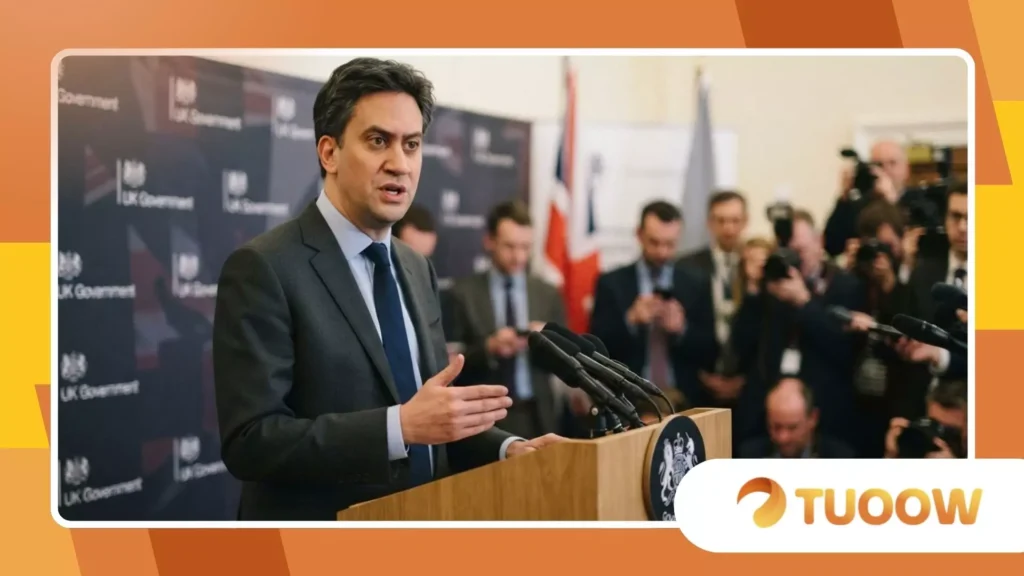
The geopolitical landscape of the twenty-first century has increasingly blurred the lines between foreign conflicts and domestic security within the United Kingdom.
Recent diplomatic confrontations at the United Nations General Assembly in New York have thrown this precarious reality into sharp relief.
Foreign Secretary Ed Miliband delivered a stern, unequivocal message to Iranian Foreign Minister Abbas Araghchi regarding mounting state-sponsored threats.
The core focal point of this diplomatic showdown centred squarely on UK and Iran Relations, particularly concerning hostile foreign interference, cyber espionage, and threats directed at domestic communities on British soil.
For years, Whitehall has monitored the shifting posture of Tehran with growing concern.
However, recent intelligence briefings and state-linked cyber intrusions have elevated these tensions from routine diplomatic friction to acute national security challenges.
This analysis explores the multifaceted dimensions of this confrontation, examining how the British government intends to protect its sovereignty while navigating broader Middle Eastern instability.
Understanding these developments requires a thorough look at the mechanics of modern state threats, the economic and digital dimensions of foreign interference, and the broader implications for British foreign policy.
Core Insights at a Glance
- Overview of the diplomatic confrontation at the United Nations General Assembly.
- Assessment of digital espionage campaigns and state-linked cyber threats.
- Examination of domestic security implications for communities within the UK.
- Strategic analysis of maritime security and regional stability in the Middle East.
The Diplomatic Flashpoint and State-Linked Intimidation
The recent face-to-face dialogue between British and Iranian representatives underscored a significant hardening of London’s foreign policy posture.
British officials have noted a worrying pattern of transnational repression, where foreign actors attempt to intimidate dissidents, journalists, and minority groups living freely within the United Kingdom.
During their high-stakes exchange, Miliband made it crystal clear that London views such actions as a direct assault on British sovereignty.
The integrity of UK and Iran Relations now hinges heavily on Tehran’s willingness to respect international norms and cease all forms of targeted harassment within British borders.
Diplomatic channels are designed to prevent escalation, but they also serve as a vital platform for issuing explicit red lines.
By stating publicly that intimidation and hostile operations will face severe consequences, the Foreign Office has aligned itself with broader intelligence assessments from agencies such as MI5.
These assessments have consistently warned that autocratic regimes increasingly use proxies and digital vectors to bypass traditional borders.
The challenge for British policymakers lies in balancing robust deterrence with the maintenance of diplomatic pathways necessary to prevent catastrophic miscalculations in the Persian Gulf and surrounding regions.
++ UK Small Boat Crossings: Record Daily Arrivals in 2026 Raise Questions About Border Security
The Cyber Dimension and Digital Espionage
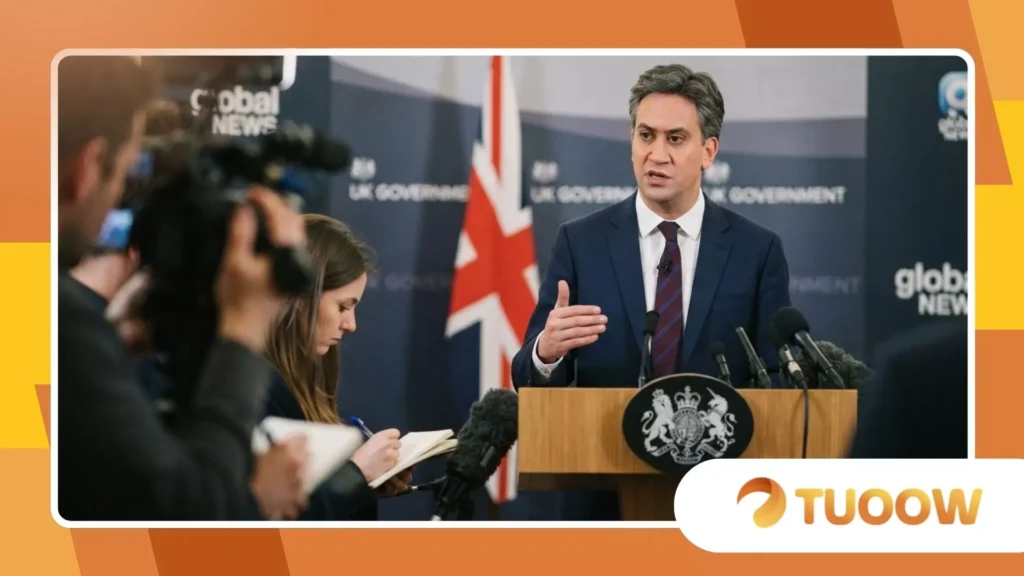
Beyond physical intimidation, modern state-backed interference frequently manifests in the digital realm, posing severe risks to critical national infrastructure, private citizens, and institutional integrity.
Official warnings from the National Cyber Security Centre (NCSC) have highlighted sophisticated campaigns orchestrated by actors linked to the Iranian state.
These operations have leveraged advanced spyware tools, such as the “CHOSEN BRICK” malware framework, to execute spear-phishing campaigns across popular messaging platforms like WhatsApp and Telegram.
The objective of these digital intrusions is rarely benign; they target sensitive communications, personal data, and confidential intelligence.
The integration of cyber warfare into statecraft means that UK and Iran Relations are no longer managed solely by diplomats in traditional embassies, but also by cyber defence specialists operating around the clock.
Protecting British citizens from having their private messages and sensitive professional emails compromised requires unprecedented cooperation between government security agencies and major technology firms.
As hostile digital operations grow more sophisticated, the UK government faces mounting pressure to implement harsher defensive and offensive cyber measures to impose tangible costs on offending states.
Read more: Why narrative DLCs are now premium experiences
Maritime Security and Regional Stability
While domestic security remains a paramount priority for Whitehall, the broader geopolitical canvas involves critical international waterways and regional conflicts.
Discussions between British and Iranian officials also tackled the urgent need to maintain freedom of navigation through vital trade arteries such as the Strait of Hormuz.
Prolonged disruptions to maritime traffic in this corridor threaten global economic stability and energy security, impacting everything from fuel prices at British pumps to international supply chains.
The UK has consistently urged Tehran to pursue diplomatic de-escalation rather than fueling proxy conflicts across the Middle East.
This includes addressing concerns regarding regional militant groups and ensuring that maritime commerce remains unhindered.
Also read: British Economy 2026: Are Families Finally Seeing Relief From Rising Prices?
Economic statecraft, including targeted sanctions and diplomatic isolation, remains a primary tool in the British toolkit to curb destabilising behaviours.
However, executing these measures effectively requires seamless coordination with international allies, particularly European partners and the United States, to present a unified front against regional proliferation and aggression.
Strategic Evaluation: Balancing Deterrence and Diplomacy
Navigating relations with a hostile state actor requires a nuanced strategy that avoids open military conflict while refusing to normalize unacceptable behaviour.
The current British administration has signalled that while it prefers diplomatic resolution, it will not hesitate to deploy legislative and security assets to neutralize internal threats.
The implementation of enhanced counter-intelligence measures and stricter oversight of foreign assets in the UK form the backbone of this defensive posture.
| Strategic Focus Area | Primary Objective | Key Implementation Mechanism |
| Domestic Security | Prevent foreign intimidation and protect communities | Enhanced MI5 and police surveillance, targeted travel bans |
| Cyber Resilience | Defend against state-sponsored digital espionage | NCSC threat alerts, public-private sector cybersecurity partnerships |
| Maritime Trade | Secure vital international shipping lanes | Multilateral naval patrols, diplomatic pressure for de-escalation |
This structured approach reflects the complexity of modern statecraft.
Analysts emphasize that while deterrence is essential, policymakers must also preserve channels for dialogue to manage crises before they spiral out of control.
The long-term trajectory of bilateral ties will ultimately depend on Tehran’s internal political choices and its willingness to respect international law.
Conclusion
The assertive stance taken by British leadership highlights a pivotal moment for national security and foreign policy.
By drawing a hard line against domestic interference and digital espionage, the UK has sent an unmistakable signal to foreign capitals regarding the protection of its sovereignty.
As global tensions continue to evolve, maintaining internal vigilance alongside robust international alliances will remain essential for safeguarding British interests and ensuring long-term regional stability.
Frequently Asked Questions
What prompted the recent warning from Ed Miliband to Iran?
The warning was issued following intelligence assessments regarding state-linked cyber espionage campaigns using spyware like CHOSEN BRICK, alongside mounting concerns over intimidation and hostile operations directed at individuals and communities on British soil.
How does state-sponsored cyber activity impact UK citizens?
State-linked cyber actors utilize sophisticated spear-phishing tactics on messaging platforms to compromise sensitive personal information, steal confidential communications, and gather intelligence that could be weaponised against dissidents or institutions.
What role does the National Cyber Security Centre play in this context?
The NCSC monitors, analyzes, and issues technical advisories regarding foreign cyber threats, helping individuals, businesses, and government bodies secure their digital infrastructure against state-backed infiltration attempts.
Why is the Strait of Hormuz significant to British interests?
The Strait of Hormuz is a critical global maritime chokepoint for international trade and energy supplies; disruptions in this region directly impact global oil markets, economic stability, and supply chain reliability within the United Kingdom.
