
Carer’s Allowance refunds: who could receive money back from DWP

Navigating the UK welfare system can sometimes feel like walking through a complex maze, particularly when dealing with intricate regulations surrounding benefits, employment, and earnings limits.
Recently, thousands of unpaid carers across England, Wales, Scotland, and Northern Ireland have found themselves caught up in historical overpayment investigations.
These investigations stem from systemic errors within the Department for Work and Pensions (DWP), leading to situations where vulnerable individuals inadvertently breached earnings thresholds due to complex calculation methods.
As the government works to rectify these historical oversights, attention has turned sharply toward Carer’s Allowance refunds.
Understanding who qualifies for these repayments, how the Department for Work and Pensions calculates historical errors, and what steps affected individuals must take is crucial.
This comprehensive guide breaks down the mechanisms behind the refunds, the strict criteria for eligibility, and practical advice for navigating the claims process with confidence.
What You Need to Know
- Understanding the DWP review process and historical data matching.
- Identifying the specific earnings threshold rules that caused overpayments.
- Step-by-step guidance on checking eligibility for compensation.
- Navigating official communications and avoiding common administrative pitfalls.
The Origin of the Overpayments: Understanding the DWP Systemic Errors
To understand why thousands of people are now due Carer’s Allowance refunds, it is essential to examine how the underlying issue developed over many years.
Carer’s Allowance is designed to provide financial assistance to individuals who spend at least 35 hours a week caring for someone with substantial physical or mental health needs.
However, the benefit comes with a strict legal caveat: claimants must not earn above a specific net weekly earnings limit after allowable deductions, such as certain tax, National Insurance, and pension contributions.
For decades, the administrative mechanisms used by the Department for Work and Pensions relied heavily on manual data processing and fragmented cross-checking between different governmental departments.
When claimants took on part-time work or experienced fluctuating hourly wages, reporting changes accurately proved challenging for both parties.
In numerous instances, claimants reported their employment earnings transparently, yet the Department for Work and Pensions failed to flag that these earnings crossed the statutory threshold week after week.
Instead of halting payments or adjusting claims promptly, the benefit continued to accrue while quietly accumulating substantial debt balances in the background.
Years later, automated fraud detection systems and retrospective data-matching exercises flagged these discrepancies en masse.
Consequently, many carers received alarming demands to repay thousands of pounds for overpayments that occurred through no fault of their own.
The psychological and financial distress caused by these retrospective bills triggered intense public scrutiny, parliamentary inquiries, and eventual admissions of administrative failure from Whitehall officials.
++ UK and Iran Relations: Ed Miliband Issues Warning Over Hostile Activity on British Soil
Who Qualifies for Carer’s Allowance Refunds?
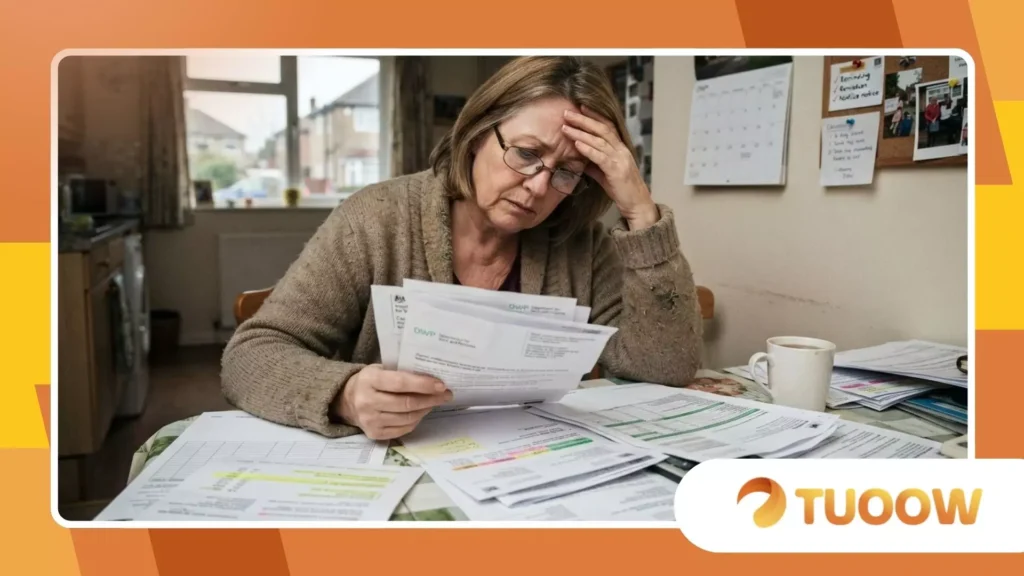
Determining eligibility for a financial remedy requires looking closely at individual timelines, communication records, and the exact nature of the historical overpayment notice.
Not every person who has ever repaid money to the government qualifies automatically; eligibility depends heavily on proving that administrative delays or miscommunications by the Department for Work and Pensions directly contributed to the accumulation of debt.
Claimants with Documented Reporting History
The primary group targeted for compensation and Carer’s Allowance refunds consists of individuals who notified the DWP promptly about changes in their employment status or earnings, yet continued to receive payments despite exceeding the threshold.
If a carer can demonstrate through bank statements, letters, or phone logs that they acted in good faith and fulfilled their legal obligation to report earnings changes, their case for a refund is significantly strengthened.
Also read: British Economy 2026: Are Families Finally Seeing Relief From Rising Prices?
Individuals Subject to Historical Data-Matching Reviews
The Department for Work and Pensions has established dedicated review teams to analyze historical files dating back over a decade.
Claimants whose overpayments were identified through retrospective Real-Time Information (RTI) data sharing with Her Majesty’s Revenue and Customs (HMRC) rather than through intentional concealment or fraud by the claimant are being prioritized for case reviews and potential write-offs or repayments.
Read more: Why narrative DLCs are now premium experiences
Vulnerable Households and Severe Financial Hardship
Beyond pure administrative error, special consideration is given to cases where the recovery of the overpayment caused severe, documented financial distress.
While debt recovery procedures under standard Department for Work and Pensions guidelines permit automatic deductions from ongoing benefits, historical cases reviewed under the recent remediation scheme assess whether aggressive debt collection practices were applied despite ongoing notifications from the carer regarding their part-time employment fluctuations.
Analyzing the Financial Impact and the Mechanics of the Refund Process
The financial architecture of benefit administration relies on absolute precision, yet human error and legacy IT infrastructure have frequently undermined that precision.
When examining the broader economic impact on unpaid carers, the statistics revealed by parliamentary questions and independent oversight bodies paint a sobering picture.
Many families lost vital financial support precisely when they needed stability, facing aggressive recovery notices that threatened their household stability.
The mechanics of issuing Carer’s Allowance refunds involve a multi-layered auditing process conducted by specialized DWP caseworkers.
These teams must cross-reference historical earnings data provided by HMRC with the manual notes kept by benefit processing centers from years past.
Because many records exist only on aging paper files or fragmented digital databases, the remediation timeline has extended across multiple phases.
| Review Phase | Target Group | Primary Action Taken by DWP |
| Phase One | Severe hardship cases and historical systemic errors | Prioritized file audits and immediate debt suspension |
| Phase Two | Claimants with verified reporting trails | Comprehensive earnings recalculation and refund issuance |
| Phase Three | General data-matching anomalies | Automated notification letters and formal appeal windows |
Navigating this bureaucratic framework requires patience and meticulous record-keeping.
Independent advice organizations, such as Citizens Advice and Carers UK, emphasize that claimants should not assume the Department for Work and Pensions holds a complete and flawless history of every phone call or reported change.
Maintaining an organized file containing historical payslips, tax certificates, and correspondence letters remains the single most effective safeguard for anyone awaiting a formal review outcome.
Practical Steps for Claimants Awaiting a Review
For individuals suspecting they may be owed money or currently managing an active overpayment dispute, taking proactive steps can accelerate the resolution timeline and prevent administrative bottlenecks.
While the Department for Work and Pensions initiates contact with identified cohorts through official correspondence, claimants do not necessarily have to wait passively for a letter to arrive in the post.
First, gather all available documentation covering the period in question.
This includes historical bank statements showing wage deposits, employment contracts detailing hourly rates and weekly hours, and any written or digital evidence of reporting earnings changes to the relevant benefit office.
Establishing a clear chronological timeline of when earnings changed and when notifications were dispatched provides an undeniable anchor during casework disputes.
Second, verify that contact details registered with the Department for Work and Pensions are completely up to date.
Many historical cases stall simply because official review letters are dispatched to outdated residential addresses, leaving claimants unaware that their file is under active investigation.
Updating phone numbers, email addresses, and postal locations through official government portals ensures seamless communication channels.
Finally, seek professional, independent advice before signing any binding repayment agreements or accepting informal settlement offers if complex legal questions arise.
Organizations specializing in social welfare law can provide clarity on whether an ongoing debt recovery order should be temporarily paused while a formal maladministration complaint or appeal is processed through independent tribunals.
Conclusion
The unfolding situation surrounding historical overpayments and subsequent financial restitution highlights systemic vulnerabilities within the UK social security framework.
While administrative reforms and targeted case reviews aim to rectify past mistakes, the journey toward complete resolution requires vigilance from both policymakers and claimants alike.
Ensuring that unpaid carers receive the financial justice and respect they deserve remains a fundamental test of institutional accountability and social responsibility.
Frequently Asked Questions
How do I know if I am eligible for a refund?
Eligibility primarily depends on whether you reported your earnings changes accurately at the time and whether the DWP failed to act on that information promptly.
The DWP is systematically reviewing historical files and will contact affected individuals directly if they qualify for a write-off or refund.
Do I need to contact the DWP to start my review?
While you can contact the Department for Work and Pensions or relevant helpline services to inquire about the status of historical overpayment investigations, the agency is processing cases in prioritized cohorts.
Ensuring your contact details are current is the most effective immediate action.
What evidence should I keep while waiting for my case to be reviewed?
You should retain all historical bank statements, payslips from the relevant tax years, employment contracts, and any written records or correspondence confirming when you notified authorities about your earnings changes.
Will past repayments be returned in a lump sum?
Yes, where the Department for Work and Pensions identifies that money was recovered incorrectly due to administrative oversight or systemic error, approved refunds are typically issued directly to the claimant’s bank account as a single lump-sum payment.
