
Why narrative DLCs are now premium experiences
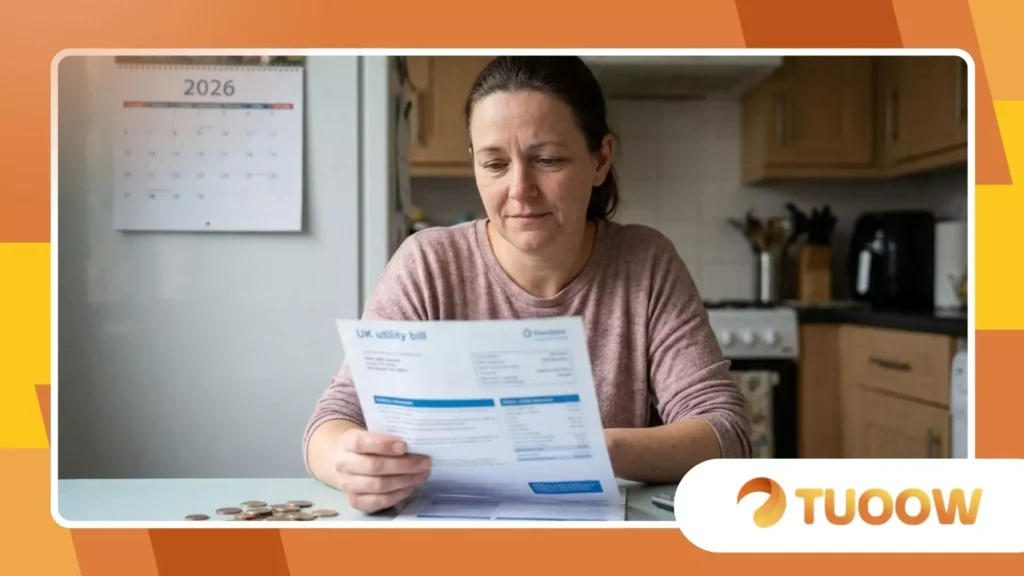
Navigating the financial landscape of the United Kingdom requires a keen eye on macroeconomic indicators and everyday household budgets.
As the British Economy 2026 continues to adjust to post-pandemic shifts and global supply chain pressures, millions of households across England, Scotland, Wales, and Northern Ireland are asking a pressing question: are families finally seeing genuine relief from persistent price hikes?
To answer this, we must examine how macroeconomic policies from the Bank of England intersect with the stark realities of weekly supermarket shops, utility bills, and housing expenses.
Understanding the current financial climate demands a look past headline numbers and into the structural realities of modern British households.
While inflation rates have retreated significantly from their historic double-digit peaks in late 2022, the cumulative effect of previous years’ price surges continues to weigh heavily on disposable incomes.
Families in towns from Manchester to Margate find themselves managing budgets with heightened caution, balancing modest wage increases against stubborn baseline costs for energy and housing.
As we explore this topic, this guide examines the multifaceted nature of household finances in the British Economy 2026. Below is a quick guide to the core topics discussed in this analysis:
- The current trajectory of consumer price inflation and monetary policy
- The impact of energy cap adjustments and housing costs on family budgets
- Comparative financial indicators tracking household cost pressures
- Practical strategies for financial resilience and long-term planning
Macroeconomic Realities: Inflation and Monetary Policy Adjustments
The overarching narrative of the British Economy 2026 is defined by the delicate balancing act performed by the Bank of England.
Recent data released by the Office for National Statistics (ONS) shows that the Consumer Prices Index (CPI) has hovered around the 2.9% mark, showing slight fluctuations driven largely by energy shocks and volatile gas markets.
Although this remains reasonably close to the central bank’s target of 2%, the persistent gap means that the absolute cost of goods and services is still creeping upward, rather than declining.
For an average family living in the Midlands or the South East, this distinction is crucial.
Lower inflation does not mean that grocery bills or service costs are returning to pre-2020 levels; it simply means they are compounding at a slower pace.
The Bank of England has maintained a cautious approach to interest rate adjustments, mindful that premature reductions could reignite inflationary pressures, particularly within the domestic service sector.
Consequently, borrowing costs remain elevated compared to the ultra-low rates of the previous decade, influencing everything from personal loans to consumer spending habits.
Independent economic analysts at institutions like the Institute for Fiscal Studies (IFS) frequently note that lower-income households bear the brunt of these sticky prices.
Because a larger share of lower-income budgets is dedicated to non-discretionary spending such as basic food items, heating, and public transport any deviation in these specific sectors impacts vulnerable demographics disproportionately.
Financial advisors emphasize that navigating this environment requires a granular understanding of personal cash flow rather than reliance on broad economic recovery metrics.
++ NHS Workforce Crisis: Hospitals Continue to Face Staff Shortages Across England
The Household Squeeze: Energy, Housing, and Everyday Essentials

When examining whether families are finding relief, one must look directly at the primary components of household expenditure: housing, energy, and groceries.
The regulatory oversight provided by Ofgem dictates that energy price caps remain a focal point for domestic budgeting.
Recent adjustments to the price cap, driven by shifting geopolitical tensions and international liquefied natural gas (LNG) dynamics, have prevented families from experiencing the deep utility bill relief many had anticipated.
Housing costs further compound the financial pressure within the British Economy 2026.
Private renters have encountered consecutive quarters of elevated rental inflation, driven by a mismatch between housing supply and robust tenant demand across major urban centres.
Meanwhile, homeowners rolling off fixed-rate mortgages negotiated during lower-rate eras face higher monthly repayments, constraining discretionary spending on leisure, education, and family holidays.
Supermarket aisles reflect a similar narrative of stabilization paired with lingering high costs. Consumer watchdog data from organizations like Which?
illustrates that while the hyper-inflation of basic foodstuffs has moderated, staple items remain noticeably more expensive than historical averages.
Families are increasingly turning to discount supermarkets, private-label goods, and targeted loyalty schemes to manage weekly food expenditures without compromising nutritional quality.
Also read: Biggest Overhaul of UK Migration Model in 50 Years
Economic Indicators and Household Impact Overview
To contextualize the financial pressures experienced across different sectors, the following table outlines key economic metrics and their direct implications for UK households:
| Economic Indicator | Current Trend | Impact on Family Budgets | Strategic Response |
| Consumer Price Inflation (CPI) | Hovering near 2.9% | Baseline costs continue to compound gradually. | Strict monthly budgeting and priority spending. |
| Energy Price Cap (Ofgem) | Subject to seasonal volatility | Utility bills remain a rigid, non-discretionary burden. | Energy efficiency home upgrades and supplier monitoring. |
| Private Rental Market | Elevated annual growth (~3%) | Reduced disposable income for renters, limiting savings potential. | Long-term lease negotiations or relocation exploration. |
| Mortgage Refinancing | Higher fixed rates than pre-2022 | Increased monthly housing overhead for renewing borrowers. | Early broker consultation and product switching reviews. |
This structured overview underscores that financial relief is unevenly distributed.
While households with substantial accumulated savings or fixed housing arrangements may feel a sense of stabilization, those heavily exposed to rental markets or variable debt instruments continue to navigate tight budgetary constraints.
Read more: Brit Awards 2026 Moves to Manchester: Cultural and Economic Impact Outside London
Navigating Financial Uncertainty: Practical Strategies for Households
Achieving long-term financial security amidst lingering economic headwinds requires proactive planning.
Financial planners recommend starting with a comprehensive audit of monthly outgoings, separating essential fixed costs from discretionary spending.
Establishing or maintaining an emergency fund ideally covering three to six months of essential living expenses serves as a vital buffer against unexpected financial shocks, such as appliance failures or sudden car repairs.
Debt management is another critical pillar. For families managing multiple credit commitments, consolidating debts or prioritizing high-interest liabilities can prevent interest charges from eroding household capital.
Furthermore, engaging with certified financial advisers or utilizing resources provided by organizations like Citizens Advice can offer tailored guidance for those facing acute financial distress.
It is equally important to monitor statutory support mechanisms and government schemes.
Reviewing entitlement to benefits, tax credits, or energy efficiency grants provided via local authorities can unlock hidden financial headroom.
Proactive engagement with personal finances transforms uncertainty into manageable action, empowering households to maintain stability regardless of broader macroeconomic shifts.
Conclusion
Ultimately, the question of whether families are finding relief from rising prices yields a nuanced answer.
While the hyper-inflationary shocks of previous years have subsided, the British Economy 2026 presents a landscape where prices have stabilized at a permanently higher plateau rather than rolling backward.
Relief is not experienced uniformly; rather, it is found by households that actively restructure their budgets, optimize energy usage, and navigate housing and debt commitments with strategic foresight.
As economic conditions continue to evolve, maintaining financial resilience remains the most effective tool for British families seeking long-term security.
Frequently Asked Questions
Is inflation expected to return to the Bank of England’s 2% target soon?
While forecasts suggest inflation may edge closer to the 2% target over the medium term, persistent global supply pressures and energy market volatility mean progress is gradual rather than guaranteed.
How are mortgage holders affected by current economic conditions?
Homeowners renewing fixed-rate mortgage deals are generally transitioning to higher interest rates compared to historic lows, increasing monthly housing overheads and requiring careful financial readjustment.
What practical steps can families take to lower household utility bills?
Households can reduce utility expenditures by improving home insulation, utilizing smart meters to monitor consumption patterns, comparing tariff options, and taking advantage of government-backed energy efficiency grants where eligible.
