
NHS doctors strike impact 2026: how services are being disrupted
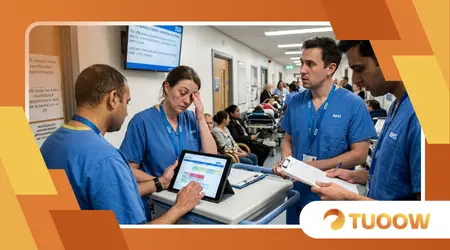
The National Health Service is currently navigating one of its most turbulent periods since its inception in 1948.
As we move through the second quarter of the year, the ongoing industrial action by both junior and senior clinicians has created a ripple effect across every integrated care board in the country.
Understanding the NHS doctors strike impact 2026 requires more than a glance at cancelled appointments; it demands a deep dive into the structural shifts occurring within the British healthcare landscape.
From the postponement of elective surgeries to the mounting pressure on urgent treatment centres, the disruption is profound and multifaceted.
For patients and practitioners alike, the atmosphere is one of weary resilience.
The dispute, primarily centred on pay restoration and long-term retention strategies, has reached a critical juncture where the government’s fiscal targets clash directly with the British Medical Association’s (BMA) demands.
This friction has manifested in a series of coordinated walkouts that have effectively brought non-emergency care to a standstill in several regions.
While emergency “life and limb” cover remains a priority, the backlog for routine procedures continues to swell, pushing the elective recovery plan further into the decade.
The Operational Reality of Disrupted Care
When a hospital trust faces a full walkout, the immediate operational priority is the redistribution of staff.
Consultants often find themselves covering shifts usually held by junior doctors, which in turn leads to the cancellation of outpatient clinics and specialised elective lists.
This “domino effect” is a cornerstone of the NHS doctors strike impact 2026, as the displacement of senior expertise creates a vacuum in strategic planning and specialist consultation.
Hospitals in major hubs like London, Manchester, and Birmingham are reporting that for every day of industrial action, it takes nearly a week of normal operation to clear the resulting administrative and clinical backlog.
The disruption extends far beyond the hospital walls.
Community health services and General Practice (GP) surgeries are feeling the strain as patients, unable to access hospital-based specialists, return to their primary care providers for interim management of chronic conditions.
This circular flow of patient demand places an unsustainable burden on a system already struggling with record-high referral rates.
It is not merely a matter of waiting longer for a hip replacement; it is the psychological toll on patients who live in a state of clinical limbo, unsure of when their definitive treatment will finally occur.
++ Keir Starmer approval rating 2026: why support is falling fast
Assessing the Statistical Burden
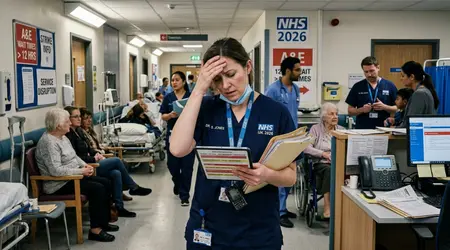
To grasp the scale of the current situation, we must look at the data emerging from NHS England and the Department of Health and Social Care (DHSC).
The figures indicate that millions of bed days have been affected by the cumulative strikes over the past few years, but 2026 has seen a particular intensification in the duration of these walkouts.
The following table provides a snapshot of the estimated service disruptions across key departments during a typical 72-hour strike period this year.
Service Impact Snapshot (Typical 72-Hour Strike Period)
| Service Area | Estimated Cancellation Rate | Average Recovery Time | Staffing Levels (Minimum) |
| Elective Orthopaedics | 85% – 90% | 14 – 21 Days | Emergency Only |
| Outpatient Neurology | 70% | 10 Days | Consultant Led |
| Diagnostic Imaging (MRI/CT) | 60% | 7 Days | Critical Cases Only |
| Routine GP Referrals | 45% (Delayed processing) | 5 Days | Standard |
| A&E (Major Trauma) | 0% (Protected) | N/A | Full Emergency Cover |
This data illustrates that while the most critical life-saving functions are preserved, the “machinery” of the NHS the routine scans, the follow-up checks, and the corrective surgeries is significantly hampered.
The NHS doctors strike impact 2026 is characterised by this slow erosion of the elective care pipeline, which has long-term implications for the nation’s overall health outcomes and economic productivity, as more individuals remain out of work due to untreated ailments.
Also read: Biggest Overhaul of UK Migration Model in 50 Years
The Role of Official Oversight and Policy
Navigating this crisis requires a clear understanding of the roles played by various national bodies.
The BMA maintains that their action is a necessary “last resort” to ensure the future viability of the medical profession in the UK.
Conversely, the government points to the recommendations of the Review Body on Doctors’ and Dentists’ Remuneration (DDRB) as the benchmark for “fair and affordable” pay rises.
This ideological stalemate is the primary driver of the disruption we see today.
For those seeking the most accurate and up-to-date policy papers, the GOV.UK portal remains the definitive source for ministerial statements and official impact assessments.
Furthermore, the impact of these strikes is being scrutinised by health think-tanks like the Nuffield Trust and the King’s Fund.
These organisations provide critical analysis that goes beyond the headlines, examining how industrial action affects staff morale and the long-term recruitment of international medical graduates.
Their research suggests that the sustained nature of the conflict is making the UK a less attractive destination for global medical talent, which could exacerbate staffing shortages well after the current industrial disputes are settled.
This is a subtle but dangerous component of the broader crisis.
Read more: Brit Awards 2026 Moves to Manchester: Cultural and Economic Impact Outside London
Patient Safety and Ethical Considerations
A significant concern for the public is the maintenance of safety standards during strike days.
The NHS has robust “derogation” processes in place agreements between trusts and unions to ensure that certain life-saving services are exempt from walkouts.
However, the definition of what constitutes a “life-threatening” delay is often a subject of intense clinical debate. When a cancer surgery is postponed by two weeks, is that a safety issue or a logistical one?
Most clinicians would argue it is both. The cumulative NHS doctors strike impact 2026 on oncology pathways is a particularly sensitive area that requires careful, compassionate management by hospital leaders.
Ethically, the situation places doctors in a difficult position, balancing their duty of care to their current patients against what they perceive as their duty to protect the future of the NHS for all patients.
This moral distress is contributing to a rise in burnout among those who remain on the front lines.
It is essential for patients to stay informed through official trust websites and to follow guidance on when to seek alternative care, such as using the NHS 111 service or local pharmacies for non-urgent matters.
Being a “proactive patient” in 2026 means understanding the limitations of the system and knowing how to navigate the available resources efficiently.
Economic Implications and the Path Forward
The financial cost of the industrial action is staggering. Not only is there the direct cost of paying for bank and agency staff to cover shifts at premium rates, but there is also the indirect cost of lost productivity within the wider economy.
When thousands of people are stuck on waiting lists, they are often unable to work, increasing the pressure on the Department for Work and Pensions (DWP).
The Treasury is therefore caught in a paradox: avoiding a high pay settlement to control inflation, while simultaneously losing billions in economic output due to a diminished workforce.
The path to resolution likely involves more than just a percentage increase in salary.
Expert observers suggest that a comprehensive “package” involving improvements to working conditions, pension tax reforms, and a clearer pathway for career progression will be necessary to end the cycle of strikes.
Until such a compromise is reached, the NHS doctors strike impact 2026 will continue to be a defining feature of the British social and political landscape.
Transparency from both the government and the unions is vital to maintaining public trust during this prolonged period of uncertainty.
Navigating the Future of British Healthcare
The current wave of industrial action serves as a stark reminder of the fragility of our healthcare infrastructure.
The impact is not just a series of statistics on a spreadsheet; it is found in the lived experience of the patient waiting for a diagnosis and the doctor working a double shift in a thinning workforce.
While the immediate focus remains on resolving the pay dispute, the long-term challenge will be rebuilding the relationship between the medical profession and the state.
The resilience of the NHS is being tested like never before, and the outcome of this struggle will shape the quality of care for generations to come.
Frequently Asked Questions
How can I find out if my appointment is cancelled due to the strike?
Most NHS trusts will contact you directly via text, email, or letter if your appointment needs to be rescheduled.
If you have not heard anything, the general advice is to attend as planned. However, it is always wise to check your local hospital’s website for the latest updates on service status.
Are emergency services still running during the doctors’ strikes?
Yes. Accident and Emergency (A&E) departments remain open for life-threatening emergencies.
The BMA and the NHS work together to ensure that critical services, including intensive care and emergency surgery, are adequately staffed through derogation agreements.
Can I still see my GP during a hospital doctor strike?
In most cases, yes. GP surgeries are generally not part of the hospital doctors’ industrial action.
However, GPs may experience higher volumes of enquiries as a result of hospital disruptions, so please be patient or use the NHS 111 online service for non-urgent advice.
What should I do if my condition worsens while waiting for a rescheduled appointment?
If your health deteriorates significantly while you are waiting for a new date, you should contact your GP or the specialist department handling your care. In an emergency, always dial 999 or go to the nearest A&E.
Is there any sign of the strikes ending soon in 2026?
Negotiations between the BMA and the government are ongoing, but a final resolution depends on reaching a mutually acceptable agreement on pay and working conditions.
Public announcements regarding a settlement will be made via major news outlets and the official GOV.UK website.
