
Cold Weather Payments 2026: Who May Qualify for Support?

As winter approaches across the United Kingdom, dropping temperatures invariably bring mounting anxiety for vulnerable households trying to manage their energy bills.
For eligible individuals, the arrival of prolonged freezing conditions triggers a vital financial safety net managed by the Department for Work and Pensions (DWP).
Navigating the eligibility criteria, qualifying benefits, and operational mechanics of this scheme requires a clear understanding, particularly as energy costs remain a critical concern for millions of families.
This guide provides an in-depth examination of cold weather payments 2026, detailing who qualifies, how the system operates, and what steps you can take to ensure you receive the support you are entitled to during severe weather spells.
In This Article
- Understanding the Mechanics of Winter Heating Support
- Qualifying Benefits and Primary Eligibility Criteria
- Temperature Triggers and Postcode Weather Stations
- Practical Scenarios: How Payments Reach Households
- Frequently Asked Questions Regarding Winter Support
Understanding the Mechanics of Winter Heating Support
The structural design of winter heating assistance in the United Kingdom has evolved to target financial aid precisely when sub-zero temperatures strain household budgets.
Unlike broader seasonal allowances that are disbursed automatically to all pensioners regardless of local weather patterns, these specific disbursements are contingent upon localized meteorological data.
When local weather stations record or forecast average temperatures dropping to zero degrees Celsius or below over seven consecutive days, the mechanism activates.
This precision ensures that public funds flow directly to regions experiencing genuine hardship caused by sustained wintry snaps.
For digital publishers and content editors analyzing social welfare trends, examining the framework of cold weather payments 2026 reveals a system heavily reliant on automation.
Recipients do not need to submit cumbersome application forms or contact government offices to claim the money.
Instead, the DWP cross-references live temperature records from the Met Office with benefit database records.
If your registered address falls within a postcode area linked to a qualifying weather station during a certified cold spell, the system initiates the transfer.
This administrative efficiency reduces friction for claimants who are already managing health conditions, mobility restrictions, or financial strain during the coldest months of the year.
However, understanding the limitations and parameters of this scheme is essential for managing household expectations.
The financial support is designed as a contribution toward heating costs during exceptional weather, rather than a comprehensive solution for an entire winter’s energy consumption.
Because weather patterns fluctuate wildly across the nations, two households living a few miles apart might experience entirely different outcomes based solely on which Met Office weather station covers their specific postcode district.
Exploring these administrative nuances helps beneficiaries understand why a neighboring town might trigger a payment while their own street does not, despite identical frost levels on the ground.
++ Universal Credit in 2026: What the Latest Changes Mean for Claimants
Qualifying Benefits and Primary Eligibility Criteria
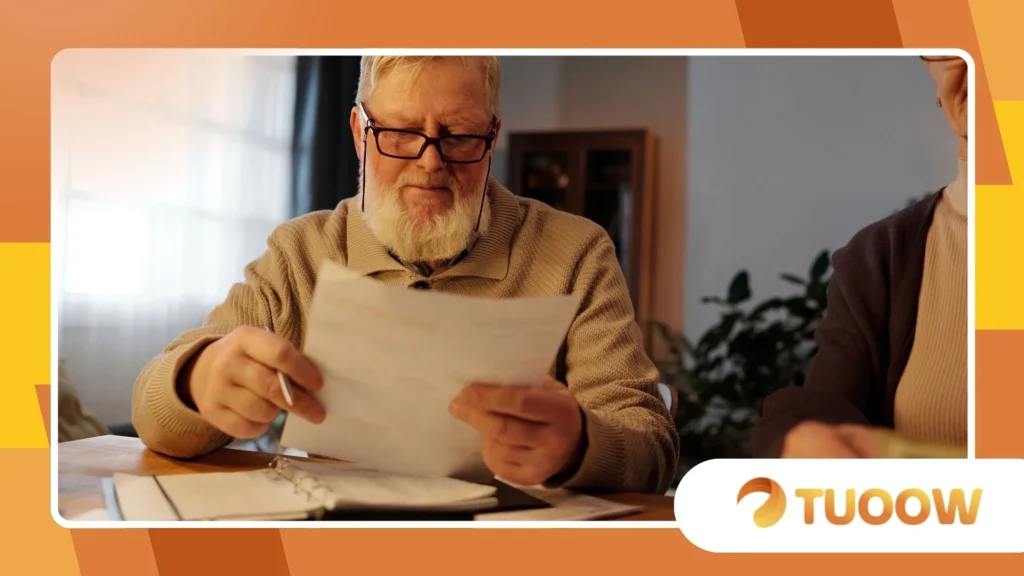
Securing support through cold weather payments 2026 depends fundamentally on whether an individual receives specific means-tested benefits administered by the government.
The criteria are intentionally targeted toward households that demonstrate financial vulnerability or include members with specific health or age-related needs.
Simply being of retirement age or experiencing low income is not always sufficient on its own; receipt of specific qualifying welfare components remains the primary gateway to eligibility.
The main qualifying benefits include Pension Credit, Income Support, income-based Jobseeker’s Allowance (JSA), and income-related Employment and Support Allowance (ESA).
Additionally, individuals receiving Universal Credit or Support for Mortgage Interest often qualify, subject to specific employment and income thresholds within their assessment periods.
For instance, Universal Credit claimants must typically not be in employment or gainful self-employment, and the household must include a disabled child, a child under five, or a person with limited capability for work.
| Qualifying Benefit Category | Key Sub-Conditions or Requirements |
| Pension Credit | Guarantee Credit, Savings Credit, or mixed-service household rules apply. |
| Income Support & JSA | Must be income-based; contribution-based variants do not automatically qualify. |
| Income-Related ESA | Must include a support component, work-related activity component, or severe disability premium. |
| Universal Credit | Claimant must not be in work, and household must include children or disabled adults. |
Beyond these primary benefits, various sub-conditions and exemptions dictate whether a payment is successfully triggered.
For example, individuals residing in care homes generally do not qualify because their accommodation costs and utility provisions are structured differently under local authority or NHS funding frameworks.
Navigating these distinctions requires careful attention to official guidance published by GOV.UK, ensuring that claimants verify their exact benefit status well in advance of the winter season.
Also read: Blue Badge Scheme: Who Can Apply and What Benefits It Offers
Temperature Triggers and Postcode Weather Stations
The operational heartbeat of the winter support system lies in its reliance on temperature monitoring.
The Department for Work and Pensions partners with the Met Office to track daily temperatures across a vast network of weather stations spanning England, Wales, and Northern Ireland.
Scotland operates a separate devolved framework known as the Winter Heating Payment, meaning households north of the border receive a guaranteed annual sum regardless of fluctuating weekly temperatures.
For those under the jurisdiction of the reserved scheme, however, everything hinges on the seven-day rolling average.
When the average temperature recorded by a designated weather station is recorded as or forecasted to be 0°C or below for seven consecutive days, a payment of twenty-five pounds is triggered for every qualifying postcode linked to that station.
This amount is automatically credited to the bank or building society account normally used for benefit payments, usually within fourteen working days of the trigger period ending.
Editorial analyses of historical weather data indicate that certain upland or northern regions of England trigger multiple payments during severe winters, while southern coastal areas might experience zero qualifying weeks across an entire season.
Understanding how your postcode links to a specific weather station can remove much of the mystery surrounding winter disbursements.
The government provides an online postcode checker tool on GOV.UK, allowing residents to verify which monitoring station governs their area.
If a sudden cold snap hits your county, monitoring local forecasts alongside Met Office updates can provide early insight into whether a payment is likely to be processed for your household, offering valuable peace of mind when utility meters are running high.
Read more: Winter Fuel Payment: What Pensioners Can Expect Ahead of the Colder Months
Practical Scenarios: How Payments Reach Households
To fully grasp how these financial interventions function in everyday life, consider the hypothetical case of Arthur, a seventy-two-year-old retiree living in a rural Yorkshire village.
Arthur relies primarily on the State Pension supplemented by Pension Credit, placing him securely within the qualifying criteria for cold weather payments 2026.
His home relies on heating oil, which has seen volatile price fluctuations, making every winter expense a matter of careful household budgeting.
During January, a sustained anticyclone brings an arctic blast across northern England.
For eight consecutive days, the local weather station monitoring Arthur’s postcode records average temperatures hovering between minus two and minus four degrees Celsius.
Because this exceeds the statutory threshold of seven consecutive days at or below freezing, the DWP automated system registers the trigger.
Arthur does not need to fill out any paperwork, call a helpline, or visit a Citizens Advice bureau; the background data synchronization handles the entire process.
Two weeks later, an extra twenty-five pounds appears directly in Arthur’s bank account, accompanied by a notification letter detailing the weather station involved and the specific dates of the cold spell.
While twenty-five pounds may appear modest against the backdrop of total winter energy bills, multiple trigger periods during a harsh winter accumulate into meaningful financial relief.
This automated injection helps cushion the cost of keeping living spaces warm, safeguarding older and vulnerable citizens against the severe health risks associated with fuel poverty and residential hypothermia.
Conclusion
Navigating the complexities of winter financial support demands both awareness and vigilance from eligible households and the professionals who support them.
As energy markets continue to evolve and winter weather patterns remain unpredictable, understanding the exact parameters of the welfare system ensures that no entitled citizen misses out on critical assistance.
By recognizing how qualifying benefits, local weather stations, and automated DWP processes intersect, households can better prepare for the financial demands of the colder months.
Reviewing your benefit entitlements ahead of the winter season remains the single most effective step toward securing peace of mind and financial stability when temperatures drop.
Frequently Asked Questions
Do I need to apply for these winter payments?
No, payments are completely automatic for eligible individuals.
The Department for Work and Pensions uses data from the Met Office and your benefit records to process payments without requiring an application form.
What happens if I live in Scotland?
Scotland operates a different system called the Winter Heating Payment, which provides a regular annual amount automatically to eligible low-income individuals regardless of how cold the weather gets.
How much money is paid out per cold snap?
The standard payment amount is twenty-five pounds for each qualifying seven-day period of severe cold weather recorded in your local postcode area.
How long does it take for the money to arrive?
Once a cold weather period is triggered in your area, the funds are typically deposited into your registered bank account within fourteen working days.
