
Vocational GCSEs: how new qualifications could change schools
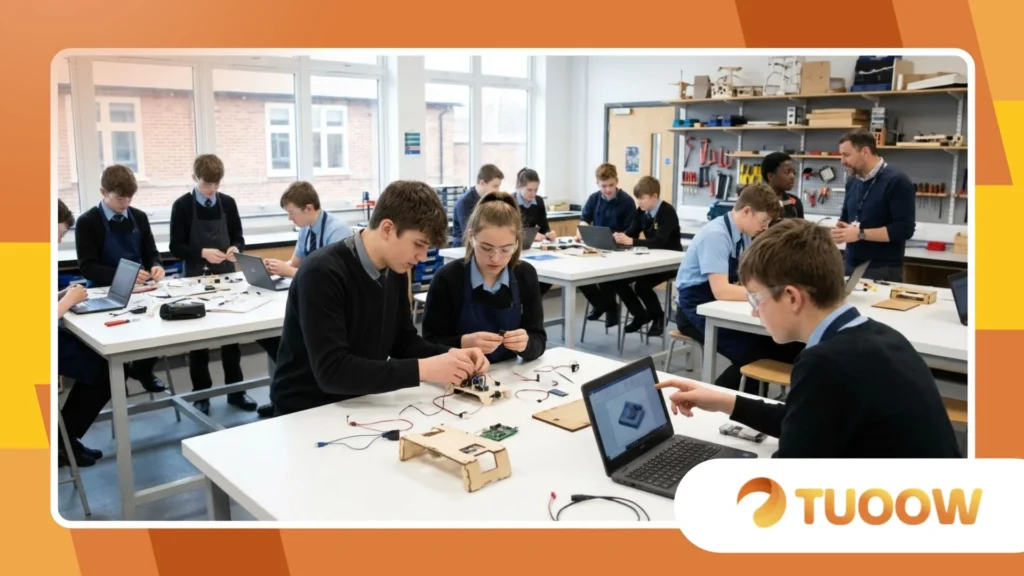
Hands-on learning in England is entering a major transition as policymakers overhaul how practical subjects fit alongside traditional GCSEs.
For years, many teenagers who excelled in practical tasks felt side-lined by exam-heavy curricula that measured success primarily through written papers.
Under plans unveiled by the Department for Education (DfE) in September 2026, new Vocational GCSEs are set to sit alongside existing GCSEs, offering a standardised, work-focused option without separating pupils into rigid tracks.
For parents, teachers, and school leaders, this shift raises practical questions about timetable planning, assessment fairness, and progression after age 16.
Getting these details right matters because qualification choices in Year 9 and Year 10 shape post-16 study at sixth form or college as well as entry into apprenticeships and skilled employment.
What This Guide Covers:
- How the new qualifications differ from current Technical Awards and traditional GCSEs.
- What changes await school timetables, practical workshops, and teaching staff.
- How assessment, regulation, and post-16 routes link together.
- Key challenges schools face during rollout and common questions from families.
What Are Vocational GCSEs and Why Are They Changing?
For more than a decade, many secondary schools in England have offered Level 2 technical or vocational awards alongside standard GCSEs.
In fact, figures highlighted in education reporting show that around nine in ten mainstream schools offered technical awards in 2024 to 2025, with 45 per cent of pupils in state-funded schools taking at least one.
While popular, those qualifications have often varied between awarding bodies, lacked a single national curriculum standard, and created uneven progression routes into further study.
The government’s reform aims to replace that patchwork with nationally set content, clear grading standards, and consistent qualification size matching regular GCSEs.
According to GOV.UK and the DfE, the reforms are designed to give young people stronger links to growing industries while keeping high academic and technical expectations.
Rather than sorting pupils into second-tier options, ministers frame the change as widening meaningful choices for every student.
Historical reviews of technical education, including earlier work by Professor Alison Wolf and later warnings around young people becoming disconnected from work or training, have repeatedly pointed out that fragmented qualifications confuse families and employers.
Standardising the qualification format at Key Stage 4 is intended to make practical study easier for parents to understand and simpler for colleges and employers to trust.
++ Why More Young People Are Combining Work and Study
How Could New Qualifications Reshape School Life?

Introducing new qualifications rarely happens on paper alone; it changes how a secondary school runs from Monday morning to Friday afternoon.
Headteachers and curriculum leads will need to balance core subjects like English and maths with practical courses that require equipment, industry links, and hands-on assessment.
How Will Timetables and Subject Choices Shift?
In many schools, Key Stage 4 option blocks are tightly constrained by room availability and staffing ratios.
If a pupil chooses a vocational option in areas such as digital technology, finance, creative media, or construction, that choice must fit cleanly alongside core academic subjects without forcing an all-or-nothing split.
Consider a Year 9 pupil at a comprehensive school in Leeds who enjoys building models, solving practical problems, and working in teams, yet still wants to keep doors open to sixth form study.
Under a well-designed option structure, that pupil could combine traditional academic GCSEs with a practical qualification rather than feeling pushed away from ambitious study.
School leaders will also have to watch how performance measures and accountability rules treat these courses.
When school league tables or progress metrics favour narrow indicators, curriculum choices can become distorted; aligning accountability with genuine student progression helps schools offer courses based on pupil needs rather than gaming metrics.
++ Graduate Employment Trends: Which Degrees Are Leading to the Most Opportunities?
What Happens to Practical Spaces, Equipment, and Work Experience?
Practical learning depends on physical resources and real-world exposure.
A school workshop, media suite, or IT lab cannot expand overnight without capital funding, maintenance budgets, and safe supervision ratios.
Alongside classroom changes, the government has paired qualification reform with a wider push on work experience, including expectations around pupils gaining workplace exposure during secondary school and a national drive for more placements.
For a busy school in a rural county or a coastal town, arranging meaningful placements for an entire year group takes months of coordination with local businesses, councils, and charities.
| Aspect of School Life | Current Technical Awards Approach | Proposed Vocational GCSE Model | Practical Impact on Schools |
| Curriculum Consistency | Varies across awarding organisations and providers | Nationally set content shaped with subject experts | Clearer syllabus planning across departments |
| Regulation & Grading | Mixed models across providers | Regulated assessment and grading via Ofqual | Greater parity and trust with schools and employers |
| Qualification Scale | Varied structures alongside GCSEs | Same size as a standard GCSE | Easier fit within Year 10–11 option blocks |
| Post-16 Progression | Inconsistent pathways to Level 3 | Clearer links to A Levels, V Levels, T Levels, or work | Better guidance during Year 11 transition choices |
| Workplace Links | Often ad hoc depending on school contacts | Supported by wider work experience initiatives | Higher administrative effort for employer outreach |
How Do Assessment, Regulation, and Post-16 Routes Connect?
A qualification only holds value if universities, colleges, and employers understand what a grade proves.
On GOV.UK, the regulator Ofqual sets out its role in accrediting qualifications, setting design standards, and overseeing grading so assessments remain fair, reliable, and comparable across years.
Teacher unions and school leaders have frequently warned that over-reliance on high-stakes final exams can penalise practical learners, while poorly designed coursework can create excessive marking burdens.
Finding the right balance between practical demonstration, controlled tasks, and external assessment will be central to making vocational GCSEs credible without overwhelming staff.
Looking beyond age 16, secondary schools do not operate in isolation from post-16 providers.
Reforms to post-16 education in England introduce V Levels alongside A Levels and T Levels, with initial rollouts scheduled from September 2027 and further phases following.
Schools will need up-to-date careers guidance so Year 11 pupils see how their Key Stage 4 choices connect smoothly to sixth form courses, college programmes, or apprenticeships.
Imagine a student who completes a practical digital or business-related course at 16 and then moves to a local further education college.
If the entry criteria, grading scales, and progression rules align cleanly, the student avoids repeating introductory material and can focus on building specialist skills.
Read more: Vocational Training vs University: Which Path Is Growing Faster?
What Challenges Must Schools Overcome During Transition?
Even the strongest policy idea can falter if implementation outpaces school capacity.
Sector leaders from groups such as ASCL, NAHT, and NEU have highlighted practical pressures including teacher recruitment, training time, and sustained funding that determine whether reforms succeed in classrooms.
- Subject Specialist Shortages: Recruiting and retaining qualified teachers in technical, digital, and practical subjects remains tough in many regions, meaning schools may need targeted training and CPD support.
- Teacher Workload: Introducing new specifications, assessment criteria, and industry coordination adds pressure if existing admin tasks are not streamlined.
- Parental Perceptions: Many parents know traditional GCSEs and A Levels well, so clear communication is essential to show that practical routes are rigorous and open to high achievers.
- Local Employer Capacity: Small and medium-sized businesses often want to support young people, yet smaller firms may lack HR teams or insurance clarity to host placements without local coordination.
Because education policy, consultation timelines, and awarding body schedules evolve, schools and families should check official updates on GOV.UK and speak directly with school careers leads or local colleges when making binding subject choices.
No single qualification guarantees a career outcome, and individual strengths, local provision, and support needs all play a part.
Conclusion: Building Practical Confidence Alongside High Standards
New vocational GCSEs have the potential to make secondary education more relevant, engaging, and fair for students who learn best by doing rather than solely writing essays.
Real change in schools will depend on clear national standards, realistic timelines, strong post-16 alignment, and practical backing for teachers and local employers.
If you are a parent, teacher, or school governor, review your school’s current Key Stage 4 options booklet and careers programme, and ask how practical subjects and post-16 pathways are supported.
Staying informed through official GOV.UK guidance helps ensure every young person gets advice tailored to their ambitions.
Frequently Asked Questions About Vocational GCSEs
Will vocational GCSEs replace all traditional GCSEs?
No. They are planned to sit alongside standard GCSEs rather than replace academic subjects such as English, mathematics, and the sciences.
Students can continue to take a broad mix of subjects suited to their interests and future plans.
How do these new qualifications differ from current Technical Awards?
The key difference is standardisation across the system.
New vocational GCSEs are intended to match GCSE size, follow nationally set content shaped with subject experts, and sit under Ofqual’s regulatory oversight so standards are consistent across schools.
Can students still go to university if they take a vocational route?
Yes, provided they choose an appropriate progression route at 16 and meet university entry requirements.
Post-16 pathways such as A Levels, V Levels, and T Levels are designed to support progression into higher education as well as skilled employment or apprenticeships.
When will schools start offering them?
Exact rollout dates and subject lists depend on government consultations, curriculum design, and Ofqual accreditation.
Schools will publish confirmed option choices well ahead of Year 9 and Year 10 selection windows once final details are published on GOV.UK.
