
UK Water Crisis: More Regions Face Hosepipe Bans as Dry Weather Continues
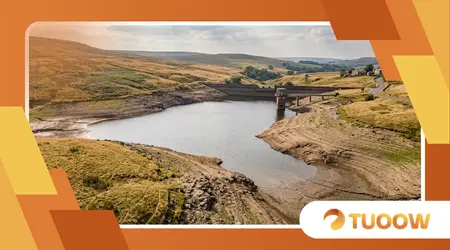
The United Kingdom is currently grappling with a significant environmental challenge as prolonged periods of dry weather place unprecedented strain on national infrastructure.
The UK water crisis has escalated, with water utility companies across various regions imposing stricter hosepipe bans to preserve dwindling reservoir levels.
This situation serves as a stark reminder of the vulnerability of our water supply systems in the face of shifting climatic patterns and increased consumer demand.
As we move through 2026, the intersection of record-breaking temperatures and insufficient rainfall has forced water suppliers to reassess their distribution strategies.
Residents across affected areas are now navigating the implications of these restrictions, which are designed to ensure that essential domestic water needs are met while preventing the depletion of natural reserves.
Understanding the mechanics behind these bans is crucial for every household.
The Science Behind the Drought
The primary driver of the current situation is the hydrological deficit accumulated over several months. While the British public is accustomed to frequent rain, the reality is that the UK water cycle is becoming increasingly erratic.
According to data from the Environment Agency, which operates under the guidance of the Department for Environment, Food and Rural Affairs (DEFRA), specific catchment areas have seen rainfall levels significantly below the long-term average for this time of year.
When soil moisture levels drop, the ground becomes baked and impermeable, which means that even when rain does eventually arrive, it often runs off the surface rather than percolating into the aquifers.
This phenomenon is a critical factor in why reservoirs struggle to recover quickly.
Water companies manage these assets carefully, but their capacity to maintain pressure and quality depends heavily on the replenishment of these underground and surface stores.
++ TikTok regulation UK 2026: how new laws may affect users
Understanding Regulatory Frameworks
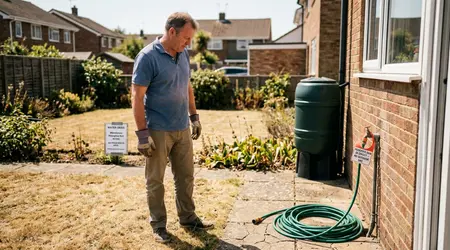
When a company issues a Temporary Use Ban (TUB) commonly referred to as a hosepipe ban they are operating within a legal framework established by the Flood and Water Management Act 2010.
This legislation empowers water suppliers to restrict non-essential water usage to prevent a more severe shortage.
It is important for homeowners to recognise that these measures are not arbitrary; they are carefully calculated decisions based on supply forecasts.
If you are concerned about how these regulations affect your business or specific domestic circumstances, it is advisable to consult the official guidance provided by Ofwat, the economic regulator for the water sector in England and Wales.
Ofwat ensures that water companies provide a reliable service while protecting the interests of consumers.
The balance between corporate responsibility and consumer rights is a complex legal area that often requires professional consultation if you believe you have been unfairly penalised.
The Escalation of the UK water crisis
We are witnessing a shift where water scarcity is no longer an occasional inconvenience but a structural issue.
The UK water crisis demands a collaborative approach between the government, private utility providers, and the general public.
While companies are responsible for fixing leaks which account for a significant percentage of water loss individuals are being asked to curb their consumption to avoid mandatory rationing.
The impact of these restrictions is felt deeply by gardeners, car owners, and those managing small-scale recreational facilities.
However, the broader economic impact on agriculture and industry cannot be overstated.
Drought conditions place immense pressure on food production, as farmers struggle to irrigate crops during the peak growing season.
This inevitably affects the supply chain and may contribute to price volatility in supermarkets.
Also read: Biggest Overhaul of UK Migration Model in 50 Years
Mitigating the Impact at Home
Adapting to life under these restrictions requires a shift in mindset.
Rather than viewing the bans as purely punitive, we should treat them as an opportunity to adopt more water-efficient practices that are sustainable in the long term.
Simple changes in the household can lead to significant cumulative savings for the reservoir networks.
For instance, installing water-efficient showerheads and fixing leaking taps are immediate steps that yield long-term benefits.
Many local councils are also providing resources on rainwater harvesting, which can be an excellent way to maintain gardens during dry spells without relying on treated mains water.
Making these adjustments is not only a matter of compliance but a contribution to the national effort to safeguard our water security.
Current Regional Restrictions Summary
The following table outlines the common restrictions associated with typical hosepipe bans, which help the public understand what is generally prohibited during these periods.
| Activity Category | Status | Common Examples |
| Garden Maintenance | Restricted | Watering lawns, borders, and hanging baskets with a hose. |
| Vehicle Care | Restricted | Cleaning private cars, vans, or motorbikes with a hose. |
| Outdoor Cleaning | Restricted | Cleaning patios, decking, or driveways using pressure washers. |
| Pool Maintenance | Restricted | Filling or topping up private swimming pools or ponds. |
| Exemptions | Permitted | Watering with a watering can; essential health/safety cleaning. |
Long-Term Strategies for Water Security
Addressing the UK water crisis requires more than just temporary bans; it necessitates significant infrastructure investment.
The industry is currently exploring large-scale projects such as water transfer pipelines, which would move water from resource-rich areas in the north to more stressed regions in the south and east.
These projects are technically complex and involve immense capital expenditure. Furthermore, there is a growing consensus on the need for better water recycling technologies.
By treating wastewater to a standard where it can be safely reintroduced into the supply chain, the UK could significantly reduce its reliance on natural rainfall.
This transition is essential for building a resilient infrastructure capable of withstanding the more frequent and intense dry spells predicted by current climate models.
Read more: Brit Awards 2026 Moves to Manchester: Cultural and Economic Impact Outside London
Navigating the Future of Water
As citizens, we have a role to play in advocating for better resource management.
Engaging with local representatives and supporting policies that prioritise water infrastructure maintenance is a way to ensure the UK water crisis is addressed with the seriousness it requires.
The goal is to move from a culture of emergency reaction to one of proactive, sustainable management.
In the meantime, staying informed via your regional water provider’s portal is the best way to keep up with changing rules.
Each utility provider has specific thresholds for when they trigger additional measures. By staying vigilant, you protect both your property and the wider community’s water supply.
Conclusion
The challenge of managing our water resources is one of the most pressing issues for the United Kingdom.
While the current dry weather has necessitated immediate restrictions, the path forward must be defined by innovation, infrastructure investment, and a collective commitment to water conservation.
By adopting mindful usage habits and supporting structural improvements, we can better manage the volatility of our changing climate.
Though the situation requires diligence, a proactive approach ensures that we remain resilient in the face of environmental uncertainty.
Frequently Asked Questions
What exactly can I do in my garden during a hosepipe ban?
During a ban, you are generally prohibited from using a hosepipe to water plants, lawns, or fill water features.
However, you are usually allowed to use a watering can, as this uses significantly less water and is more targeted. Always check your specific provider’s website for granular detail.
Are there fines for violating these rules?
Yes, water companies do have the legal power to issue fixed penalty notices for breaches of a Temporary Use Ban.
However, they generally prefer to work with customers to educate them on the restrictions before resorting to enforcement measures.
Why are leaks still such a problem if there is a water shortage?
Fixing leaks is a top priority for utility companies, but the UK’s network is vast and often very old. Many pipes are underground and difficult to access.
Repairing them is an ongoing, multi-year process that requires significant coordination to avoid disrupting other essential infrastructure.
How long are these bans likely to last?
The duration of a ban is entirely dependent on weather conditions and reservoir recovery. A significant period of sustained, heavy rainfall is usually required to lift the restrictions.
Until supply levels return to a sustainable point, the restrictions remain in effect to ensure the continuity of essential public supply.
