
PIP back payment delays UK 2026: what claimants can expect

The Personal Independence Payment (PIP) landscape in 2026 remains a cornerstone of the British social security system, yet it is currently fraught with logistical hurdles.
For many individuals living with long-term health conditions or disabilities, the wait for a decision is only half the battle.
Once an award is finally granted, the focus shifts to the substantial sums of money owed from the date of the initial claim.
Understanding the nuances of PIP back payment delays UK 2026 is essential for managing financial expectations during what is often a stressful period of transition.
As the Department for Work and Pensions (DWP) continues to grapple with a record volume of new applications and a backlog of tribunal appeals, claimants find themselves in a precarious position.
The system is designed to ensure that no one is financially penalised for the time it takes to process a claim, yet administrative bottlenecks mean that the “back pay” intended to provide a safety net often arrives much later than anticipated.
This article explores the current state of these delays, the underlying causes, and practical steps for those caught in the waiting game.
The Mechanics of PIP Arrears
When a PIP claim is successful, the DWP is mandated to pay arrears dating back to the day the claimant first initiated the application usually the date of the initial phone call to the “PIP new claims” line.
In an ideal scenario, this lump sum is issued within three to five working days of the decision letter.
However, the reality in 2026 often involves significant PIP back payment delays UK 2026, sometimes stretching into several weeks or even months if the case involves complex backdating or a victory at a First-tier Tribunal.
The administrative process of calculating these arrears is not always automated. Case managers must manually verify that there are no overlapping benefits or “overpayment” debts that need to be deducted from the lump sum.
For example, if a claimant was receiving a different benefit that is not compatible with certain components of PIP, the DWP must perform a “reconciliation” of the accounts.
This manual intervention is a primary driver of the current delays observed across the UK, as staffing levels struggle to keep pace with the sheer volume of successful appeals.
++ Healthy Start scheme UK 2026: how families can claim support
Why the Backlog Persists in 2026
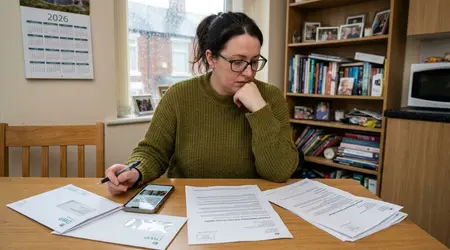
Several factors have converged to exacerbate the timeline for receiving arrears. Firstly, the ongoing digital transformation of the DWP, while intended to streamline applications, has faced integration issues with older legacy systems.
When a tribunal judge overturns a DWP decision, the court’s instruction must be manually input into the DWP’s payment system.
This friction between judicial outcomes and administrative execution is a significant contributor to PIP back payment delays UK 2026.
Furthermore, the economic climate has led to an uptick in applications as more individuals seek support for mental health and fluctuating conditions.
According to recent insights from organisations like Citizens Advice and various GOV.UK transparency reports, the assessment providers (such as Capita and Independent Assessment Services) are operating at maximum capacity.
While the assessment itself is the first hurdle, the “Post-Award Team” at the DWP is currently the secondary bottleneck where many payments become lodged in a queue of pending transactions.
Estimated Timelines for Payment
| Stage of Process | Expected Timeframe (Standard) | Potential Delay in 2026 |
| New Claim Decision | 3-5 Working Days | 10-15 Working Days |
| Change of Circumstances | 5-7 Working Days | 3 Weeks |
| Tribunal Overturn | 4-6 Weeks | 8-12 Weeks |
| Mandatory Reconsideration | 7-10 Working Days | 4 Weeks |
Navigating the Financial Impact
For a claimant who has waited six to nine months for an assessment, the back payment can represent thousands of pounds.
This sum is often earmarked for essential adaptations, clearing debts accrued during the waiting period, or purchasing mobility aids.
When PIP back payment delays UK 2026 occur, it creates a “cliff edge” where the claimant has the legal right to the funds but no liquid capital to address urgent needs.
This is particularly prevalent in cases where the claimant is moving from Disability Living Allowance (DLA) to PIP, as any gap in payment can disrupt existing financial arrangements.
It is important to note that PIP back payments are typically disregarded as capital for one year when calculating means-tested benefits like Universal Credit or Housing Benefit.
This grace period is designed to allow claimants to spend the money on the support they need without losing their other safety nets.
However, if the delay in receiving the PIP arrears pushes the payment into a new tax year or overlaps with other financial assessments, it is vital to keep detailed records and notify the relevant departments to ensure no errors are made in means-testing.
Also read: What the End of Income Support and Jobseeker’s Allowance Means for Claimants in 2026
The Role of the First-tier Tribunal
A significant portion of back payments stems from successful appeals. In 2026, the success rate for claimants at the tribunal stage remains high, often exceeding 65%.
While this is a testament to the independence of the judiciary, it creates a massive administrative burden for the DWP’s “Decision Makers.”
Once the tribunal issues an ORS (Outcome Record Sheet), the DWP has a statutory period to decide whether to appeal to the Upper Tribunal on a point of law.
If the DWP chooses not to appeal, they must implement the tribunal’s decision. This is where many people experience the most frustrating PIP back payment delays UK 2026.
The communication between HM Courts and Tribunals Service (HMCTS) and the DWP is not instantaneous.
Claimants are often advised by support workers to send a copy of their tribunal win directly to the DWP via recorded delivery to “nudge” the process along, rather than waiting for the official internal notification which can take weeks to be logged.
Read more: Council Budgets and Welfare Reform: How Local Authorities Are Preparing for New Benefit Pressures
Practical Steps to Hasten a Payment
If you find yourself waiting longer than 14 days after a decision letter for your arrears, there are specific actions you can take.
First, contact the PIP enquiry line to ensure that your bank details are correct and that there are no “flags” on your account.
Sometimes, a payment is paused simply because the system requires a human agent to click a confirmation button on a sum exceeding a certain threshold (usually £5,000 or £10,000).
Secondly, if the delay is causing significant hardship, you can request an “advance on arrears” or ask for the case to be escalated to a manager under the DWP’s “vulnerable claimant” policy.
While the DWP is a vast bureaucracy, they do have protocols for prioritising payments where there is an imminent risk of eviction or total loss of essential services.
Documentation from a GP or a social worker can often serve as the necessary evidence to move a file to the top of the processing pile.
Critical Analysis of Current Policy
The persistent nature of these delays suggests a systemic issue that transcends mere administrative backlog.
Critics argue that the “centralisation” of payment processing has removed the ability for local offices to intervene in urgent cases.
In 2026, the reliance on automated “queuing” systems means that a claimant in Cornwall is subject to the same national bottlenecks as someone in Newcastle, with very little room for local discretion.
Moreover, the lack of interest paid on delayed arrears is a point of contention. Unlike the HMRC, which may pay interest on delayed tax refunds, the DWP does not compensate claimants for the “lost value” of their money during a delay.
In an era of fluctuating inflation, a payment delayed by six months has less purchasing power than it did at the time of the claim.
This policy has led to calls from advocacy groups for a “Fairness Premium” to be added to any back payment that exceeds a 30-day processing window.
Conclusion: Securing Your Entitlements
The journey through the PIP system is rarely a straight line, and the final hurdle of receiving arrears can be as daunting as the initial assessment.
While the DWP strives to meet its internal targets, the reality of the current year shows that administrative friction is a common experience.
Understanding that these pauses are often due to system-to-system communication errors or manual oversight rather than a denial of funds can help alleviate some of the anxiety associated with the process.
Stay proactive, keep meticulous records of all correspondence, and do not hesitate to involve your Member of Parliament (MP) if delays become unreasonable.
The MP’s office has a dedicated liaison line with the DWP that can often bypass standard call centres. By remaining informed and assertive, claimants can better navigate the complexities of the system and ensure they receive the support they are legally owed.
Frequently Asked Questions (FAQ)
Does the DWP pay interest on PIP back payments?
No, the DWP does not currently pay interest on arrears, even if the delay is several months long. The payment is issued as a flat sum based on the weekly rates applicable during the period of the claim.
Will my back payment affect my Universal Credit?
PIP back payments are usually disregarded as capital for 12 months. This means they should not affect your means-tested benefits during that year, but you should still inform the Universal Credit office when you receive the lump sum.
How do I know if my back payment is correct?
Your decision letter will state the date your claim started and the weekly rate for both the Daily Living and Mobility components.
You can calculate the total by multiplying these rates by the number of weeks since your claim began. If the numbers don’t match, you can request a “Mandatory Reconsideration” of the calculation itself.
What should I do if my back payment is over £10,000?
Very large back payments often undergo an additional layer of security and management approval. If you are expecting a sum of this size, it is worth calling the DWP to confirm they have all the necessary verification to release the funds without a manual “stop” being placed on the transaction.
Disclaimer: This information is for educational purposes and does not constitute legal or financial advice. Benefit regulations are subject to change. For specific concerns, please consult a qualified advisor or visit GOV.UK.
