
Healthy Start scheme UK 2026: how families can claim support
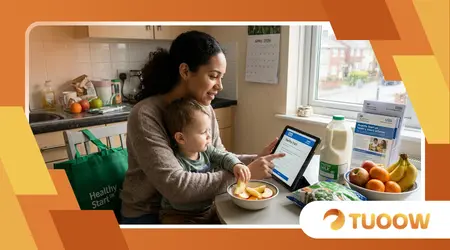
The cost of living remains a primary concern for households across Britain, and ensuring that young children receive the nutritional foundation they need is paramount.
The Healthy Start scheme UK 2026 serves as a vital safety net, designed to provide expectant mothers and low-income families with financial assistance specifically earmarked for healthy food and milk.
Unlike general social security payments, this initiative is highly targeted, ensuring that support reaches the dinner table in the form of fresh fruit, vegetables, and essential vitamins.
Understanding how to navigate the current system is crucial, especially as the NHS Business Services Authority (NHSBSA) has streamlined the digital transition.
In 2026, the scheme operates primarily through a prepaid card system, replacing the paper vouchers of the past.
This modernisation has made it easier for parents to manage their balance, yet many eligible families still miss out due to a lack of awareness regarding the specific criteria and the application process.
Eligibility Criteria: Who Qualifies in 2026?
To access the Healthy Start scheme UK 2026, applicants must meet specific residency and financial requirements.
Generally, if you are at least 10 weeks pregnant or have at least one child under the age of four, you may be eligible.
However, the entitlement is usually tethered to the receipt of other “qualifying benefits.”
These include Universal Credit (provided your monthly earned income is £408 or less), Child Tax Credit (if your annual family income is £16,190 or less), or Income Support.
A notable exception exists for pregnant individuals under the age of 18; they qualify regardless of whether they receive benefits.
This specific policy acknowledges the unique vulnerability of teenage parents and ensures that the biological demands of pregnancy are met with adequate nutrition.
It is important to note that the income thresholds for Universal Credit are strictly monitored based on “take-home pay,” meaning the amount after tax and National Insurance, which can sometimes fluctuate and affect your eligibility month-to-month.
++ UK free prescriptions eligibility 2026: who still qualifies
The Financial Breakdown: How Much Support Can You Get?
The value of the support provided by the Healthy Start scheme UK 2026 is structured to reflect the developmental stages of early childhood.
For pregnant women and children aged between one and four, the payment is £4.25 per week. However, the most significant support is reserved for the first year of a child’s life.
Infants under the age of one receive £8.50 per week, acknowledging the high costs of infant formula or the nutritional needs of a breastfeeding mother.
| Recipient Category | Weekly Amount | Monthly Total (4 weeks) |
| Pregnant Women (from 10 weeks) | £4.25 | £17.00 |
| Infants (under 1 year old) | £8.50 | £34.00 |
| Children (aged 1 to 4 years) | £4.25 | £17.00 |
These funds are loaded onto a prepaid Mastercard every four weeks.
While these figures might seem modest, when combined with other forms of support like the Healthy Start vitamins which are provided for free as part of the scheme they represent a significant contribution to a household’s nutritional budget.
These vitamins are specifically formulated to include Folic Acid, Vitamin C, and Vitamin D, which are essential for bone health and immune function in early development.
The Application Process: Step-by-Step Guide
Applying for the Healthy Start scheme UK 2026 has been significantly simplified through the NHSBSA digital portal. Most applicants can complete the process online in under ten minutes.
You will need your National Insurance number, your baby’s due date (if pregnant), and your benefit award letter.
The system performs real-time checks against Department for Work and Pensions (DWP) records to verify your income and benefit status, which speeds up the approval process considerably.
Once approved, the prepaid card is sent via post within two weeks. It is vital to activate the card before attempting to use it at a retailer.
Activation is typically done via a dedicated phone line or the online portal.
Families should be aware that the card can only be used at retailers that accept Mastercard and sell the specific food items permitted by the scheme.
This includes most major supermarkets, convenience stores, and even some local greengrocers or milk delivery services.
Also read: Council Budgets and Welfare Reform: How Local Authorities Are Preparing for New Benefit Pressures
What Can You Buy? Maximising the Value
The Healthy Start scheme UK 2026 is prescriptive about what can be purchased to ensure the funds are used for their intended purpose.
Eligible items include plain liquid cow’s milk, fresh, frozen, or tinned fruit and vegetables (provided they have no added salt, sugar, or fat), and fresh or tinned pulses such as lentils and beans.
You can also use the card to purchase infant formula based on cow’s milk that is suitable from birth.
One of the most common pitfalls for users is attempting to buy “combination” foods. For example, you cannot use the card for a ready-made fruit salad that contains added syrup, or for canned vegetables that are seasoned.
The focus is strictly on raw, nutrient-dense ingredients.
To get the most out of the scheme, specialists recommend buying seasonal vegetables and bulk-buying pulses, which provide high protein content at a lower cost, helping the £4.25 weekly allowance stretch further across the month.
Read more: Scrapping the Work Capability Assessment by 2028: What That Means and What Comes Next
Critical Analysis: The Impact of Digitalisation
While the transition to a digital card for the Healthy Start scheme UK 2026 has reduced the stigma often associated with paper vouchers, it has introduced new barriers for some.
Families with limited digital literacy or those without consistent internet access may find the application and balance-checking process daunting.
Furthermore, the “use it or lose it” nature of the funds where balance does not roll over indefinitely requires careful household budgeting.
There is also a persistent “uptake gap.” According to recent data from GOV.UK, thousands of eligible families across England, Wales, and Northern Ireland (Scotland operates the Best Start Foods scheme separately) do not claim their entitlement.
This is often due to the complexity of the benefits system or the misconception that the amount is too small to justify the application.
However, over the course of a child’s first four years, the scheme provides over £1,000 in direct food support, which is an invaluable resource for long-term health outcomes.
Managing Your Card and Troubleshooting
If you encounter issues with your Healthy Start scheme UK 2026 card, such as a declined transaction or a lost card, the NHSBSA provides a dedicated helpline.
It is important to remember that the card uses a “chip and PIN” or “contactless” method, but it does not allow for cash withdrawals at ATMs.
If a transaction is declined, it is usually because the balance is insufficient or the retailer’s system does not recognise the items as eligible, though the latter is rare as the card works on a total-balance basis at the till.
Families should also stay informed about changes in their circumstances. If your income increases above the threshold or if you stop receiving a qualifying benefit, you are legally required to notify the scheme.
Conversely, if you have a new baby, you must add them to your account to trigger the higher £8.50 weekly payment.
Being proactive about these updates ensures that you receive the correct amount of support without the risk of overpayment debts later on.
Expert Tips for Healthy Living on a Budget
To truly benefit from the Healthy Start scheme UK 2026, one should view the prepaid card as a tool for culinary creativity.
Using the allowance for “base ingredients” like dried lentils and tinned tomatoes allows for the preparation of large batches of stews or sauces that can be frozen.
This not only saves money but also ensures that nutritious meals are available even on busy days.
Furthermore, don’t overlook the free vitamins. Many parents forget to collect their vitamin drops or tablets from local distribution points, such as children’s centres or pharmacies.
These supplements are specifically designed to fill the nutritional gaps that are common in the UK climate, particularly regarding Vitamin D.
Combining these supplements with the food bought via the scheme creates a robust nutritional safety net for your child’s developing brain and body.
Securing a Brighter Future
The Healthy Start scheme UK 2026 is more than just a benefit; it is an investment in the next generation.
By removing the financial barriers to fresh produce and essential milk, the UK government aims to reduce health inequalities that can start before a child is even born.
While the system requires a degree of administrative diligence from parents, the rewards better physical development, improved concentration, and long-term healthy eating habits are well worth the effort.
Families are encouraged to check their eligibility today, as every week of unclaimed support is a missed opportunity for their child’s growth.
Frequently Asked Questions (FAQ)
Can I use the card in Scotland?
No, if you live in Scotland, you should apply for the Best Start Foods scheme, which is managed by Social Security Scotland and has slightly different criteria and payment structures.
What happens if I lose my card?
You should contact the Healthy Start helpline immediately to report it lost or stolen. They will cancel the old card and issue a replacement, though it may take a few working days to arrive.
Can I buy organic food with the card?
Yes, as long as the product is a plain fruit, vegetable, or milk as specified in the guidelines, it does not matter if it is organic or not.
Does the money expire?
The funds stay on your card for a certain period, but you are encouraged to use them regularly. If a card is inactive for a long time, the account may be reviewed.
Is the Healthy Start scheme the same as the Foodbank?
No. Healthy Start is a government-funded benefit that provides a prepaid card for use in shops. Foodbanks are usually run by charities and provide emergency food parcels to those in immediate crisis.
